
Modular Construction vs Panelized Construction: What’s the Difference?
Modular Construction vs Panelized Construction: Key Differences Explained
Modular construction and panelized construction are often grouped together under the umbrella of off-site building methods. While both approaches improve efficiency and quality control compared to traditional stick-built construction, they operate very differently.
If you’re exploring off-site building systems, understanding the distinction between modular construction and panelized construction is essential. The right choice depends on design goals, site conditions, budget, and timeline.
In this guide, we’ll break down how each method works and when each makes the most sense.

What Is Modular Construction?
Modular construction is a building method where large three-dimensional sections (modules) are fabricated in a factory and transported to the site for assembly.
These modules typically include:
- Framing
- Insulation
- Electrical and plumbing systems
- Interior finishes
- Fixtures and cabinetry
Once delivered, modules are craned into place and secured to a permanent foundation.
How Modular Construction Works
- Modules are engineered and constructed in a controlled factory environment.
- They are transported to the job site.
- A crane sets each module onto the foundation.
- Final connections and finishing work are completed onsite.
Because most work is completed indoors, modular construction can reduce weather delays and improve production efficiency.
What Is Panelized Construction?
Panelized construction is a building method in which interior and exterior walls, floors, and sometimes roof panels are prefabricated off-site, then assembled on-site.
Unlike modular construction, panelized construction does not deliver fully finished rooms. Instead, it provides precision-built structural components that are installed by a builder at the job site. Depending on the chosen insulation method, exterior finish material, and window/door selections, these can be included in the manufacturing of each panel.
How Panelized Construction Works
- Wall, floor, and, when appropriate, roof systems are engineered and fabricated in a controlled environment.
- Panels are flat-packed and delivered to the site.
- The structure is assembled on-site.
- Mechanical systems and finishes are completed traditionally.
This approach combines off-site precision with on-site flexibility.
Modular Construction vs Panelized Construction: Key Differences
Understanding the structural and logistical differences helps clarify which system aligns with your goals.
1: Degree of Completion Before Delivery
Modular construction: Modules arrive nearly complete, often with finishes installed.
Panelized construction: Only structural panels are delivered; most finish work happens onsite.
2: Design Flexibility
Modular construction can accommodate custom design, but transportation limits (size, height, and width restrictions) influence structural planning.
Panelized construction allows greater architectural flexibility because panels can be assembled in complex configurations on-site without shipping constraints tied to fully built volumes.
3: Transportation & Site Logistics
Modular construction requires:
- Oversized load transport
- Crane placement
- Significant staging space
Panelized construction requires:
- Standard delivery trucks
- Less staging area
- Smaller lifting equipment
For rural or constrained sites, which are common in Vermont and the Northeast, this distinction can be important.
4: Timeline Considerations
Both modular construction and panelized construction shorten build timelines compared to traditional framing. However:
- Modular projects may move faster through structural phases since interiors are completed offsite.
- Panelized projects still require on-site system installation and finishing work, but benefit from faster framing and improved precision.
5: Cost Considerations
When comparing modular construction and panelized construction, cost depends on:
- Transportation distance
- Crane requirements
- Site accessibility
- Architectural complexity
- Finish level
Modular construction may reduce labor hours on-site but can increase transportation and crane costs.
Panelized construction often provides cost efficiency through reduced material waste and faster framing while maintaining design flexibility.
Finding this helpful? Sign up for our newsletter to receive expert guidance, industry updates, and behind-the-scenes insights from the Silver Maple team.
Finding this helpful? Get more expert insights delivered straight to your inbox!
Which Is Better: Modular Construction or Panelized Construction?
There isn’t a universal “better” method — only the right method for the right project.
Modular Construction May Be Ideal If:
- Speed is the top priority
- The design fits transport limitations
- Site access allows crane delivery
- A higher level of factory completion is preferred
Panelized Construction May Be Ideal If:
- The home features complex architectural design
- The site is remote or difficult to access
- Custom detailing is a priority
- You want a hybrid approach combining off-site efficiency and on-site craftsmanship
At Silver Maple, we often utilize advanced panelized construction systems because they allow us to preserve architectural integrity while benefiting from precision manufacturing.
If you’re new to this method, you may also want to review our in-depth breakdown of
Your Guide to Panelized Homes and explore how it differs from traditional prefab approaches.
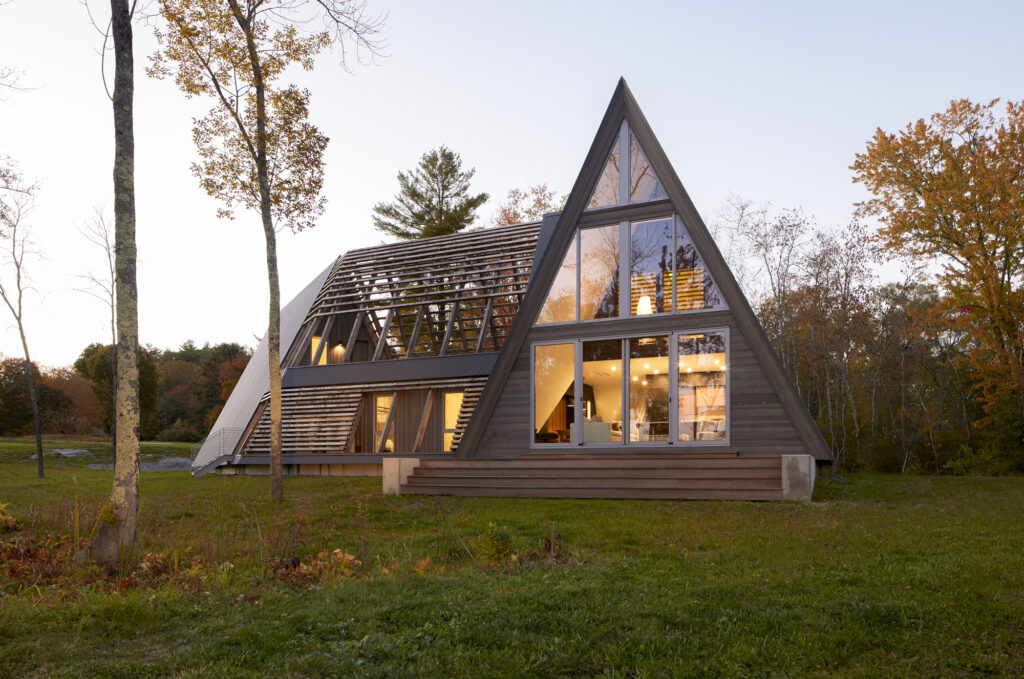
How Modular and Panelized Construction Fit into Broader Industry Trends
Off-site construction methods are growing in popularity across North America. Labor shortages, sustainability goals, and the demand for higher quality control have all contributed to the rise of modular and panelized construction systems.
In our recent post on construction industry trends, we discuss how controlled manufacturing environments improve:
- Material efficiency
- Build quality
- Schedule predictability
- Environmental performance
Both modular and panelized systems align with this shift toward smarter building practices.
Common Misconceptions About Modular and Panelized Construction
Myth: Modular Means “Manufactured Home”
Modular construction is not the same as manufactured housing. Modular buildings are constructed to local building codes and placed on permanent foundations.
Myth: Panelized Construction Limits Custom Design
In reality, panelized construction often enhances architectural precision because components are engineered digitally before fabrication.

Final Thoughts: Choosing the Right Construction Method
Modular construction and panelized construction both represent modern, efficient alternatives to purely site-built methods. The difference comes down to:
- How much is built off-site
- How modules or panels are transported
- How much customization the project requires
- How the site influences logistics
Understanding these differences helps you make informed decisions early — and avoid costly surprises later.
Get in touch with the Silver Maple team to learn which building method best fits your needs.
Want More Insight on Modern Building Methods?
If you have a project that you would like to discuss with our team, please reach out. Our Contact Us form is a great place to start.
Sign up for our newsletter to receive expert guidance, industry updates, and behind-the-scenes insights from the Silver Maple team.
Get expert insights delivered straight to your inbox!