
behind the scenes: what goes into a “perfect” project photo?
Behind the Scenes at Silver Maple
A beautifully lit kitchen, a perfectly styled living room, and that soft, glowing exterior shot at dusk are not just Instagram-worthy images caught at the perfect moment. Behind the scenes, these photos are the result of careful planning and understanding the story behind the homes we build.
Our goal is to accurately capture the craftsmanship, materials, and intent behind the work. In this post, we’re taking you along to reveal what goes into capturing the construction details featured on our website and across our social media channels.
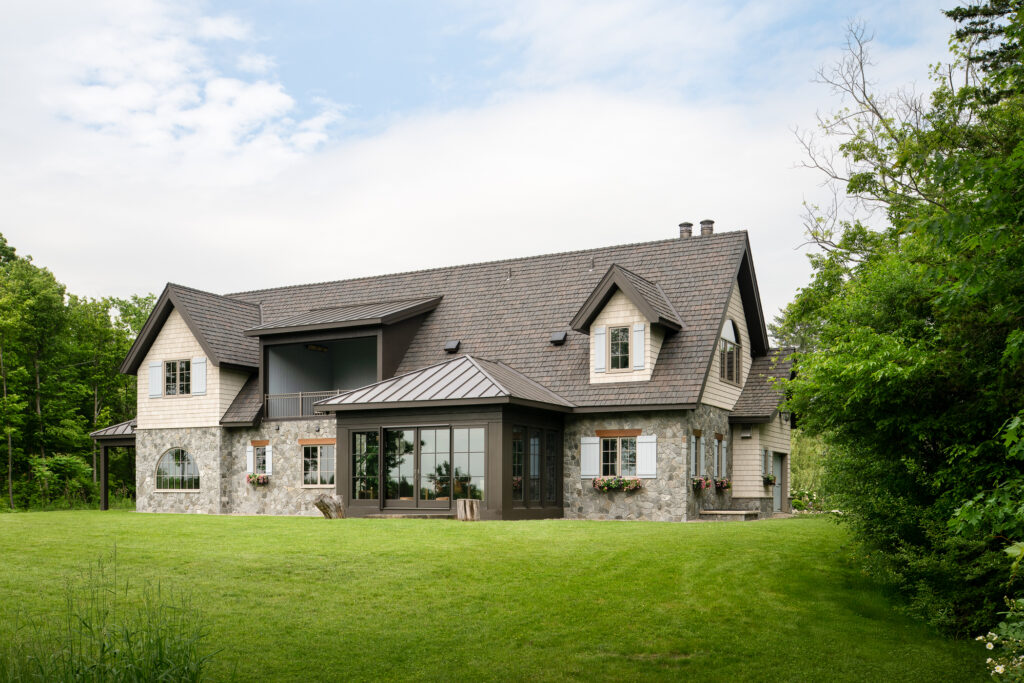
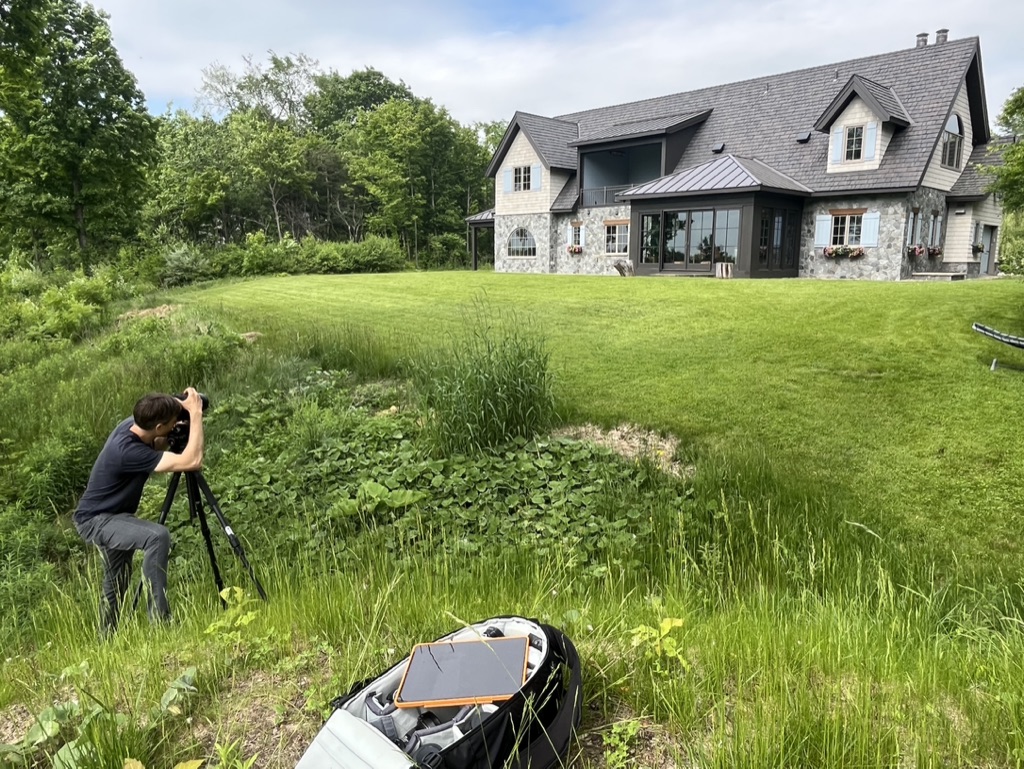
Final Photography Timing
By the time we arrive on-site for a photoshoot, the home itself has undergone rigorous design planning, careful engineering, and deliberate construction. The home is complete, and the owners have moved in.
We try to schedule final photography in the first six months to a year of a homeowner’s occupancy. At that point, the home and homeowners have settled in, and the space reflects how it’s meant to be lived in without feeling staged or worn.
This timing also allows us to capture construction details at their best. We’ve addressed any punch list items, and the site has healed from vehicular and foot traffic during the construction phase. Inside and out are looking their best.
In Vermont, a home is designed with its environment in mind, so the seasons also play a role in when we capture the final images of a project. Although beautiful year-round, ideally, a slope-side condo should feel connected to winter conditions, and a lakeside home should reflect warmth and light. Capturing the construction details of a house during the right season tells the story behind some of the design considerations.
Scouting: Craftsmanship + Design
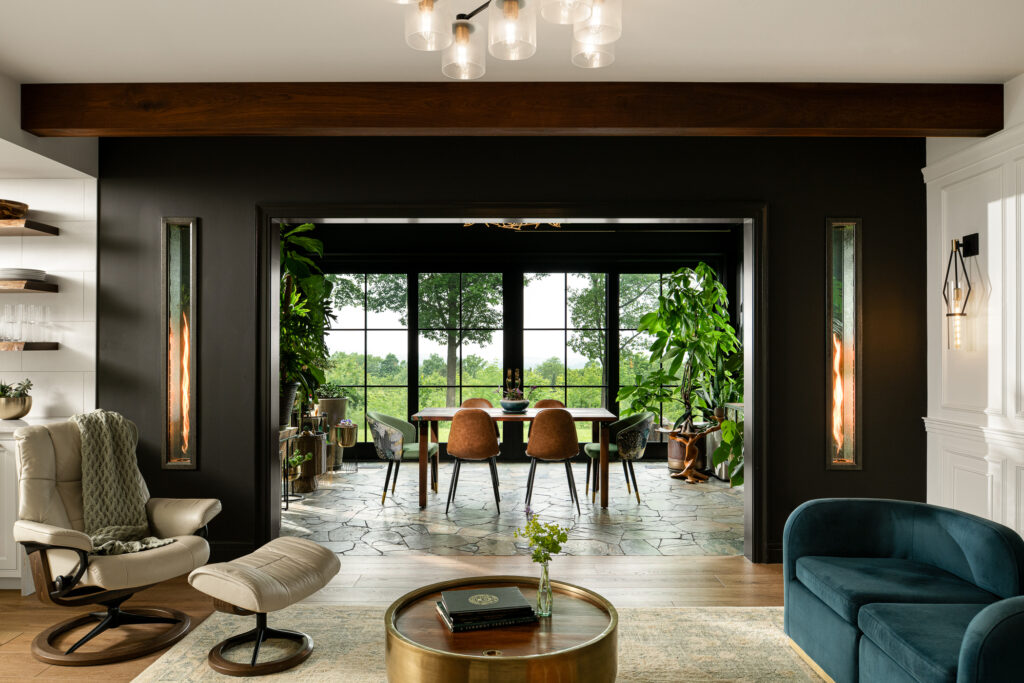
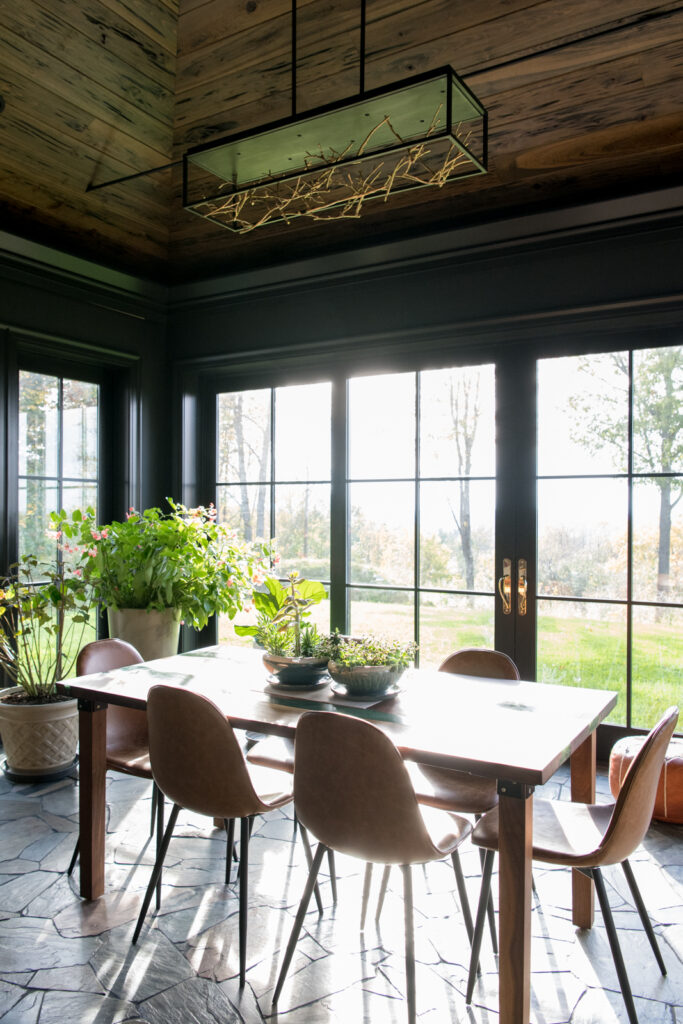
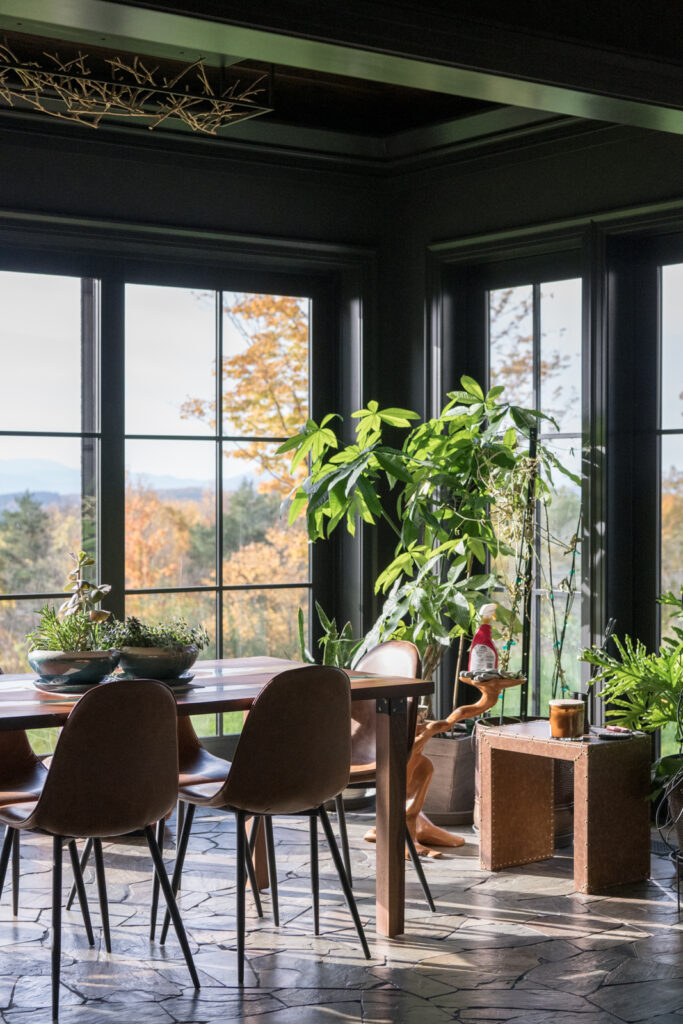
When we scout a home, we’re not just looking for pretty angles; we’re looking for the details that reflect how the home was built and finished, its unique features, and what photos will make a complete story.
Questions we ask during this part of the behind-the-scenes process:
- Where does natural light enter?
- How does light move throughout the day?
- How do materials transition from one space to another?
- Where are the moments of craftsmanship that we want to highlight?
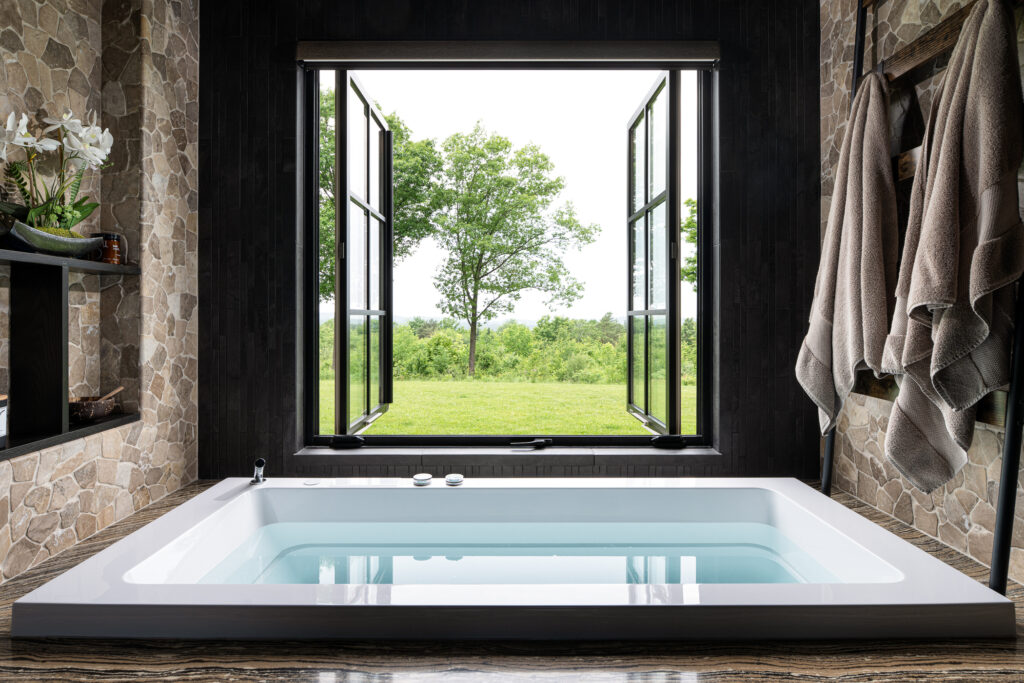
Once we assess the lighting, we document a mix of open and shaded areas to align with the creative vision and accentuate textured areas where our craftsmanship takes shape.
Styling
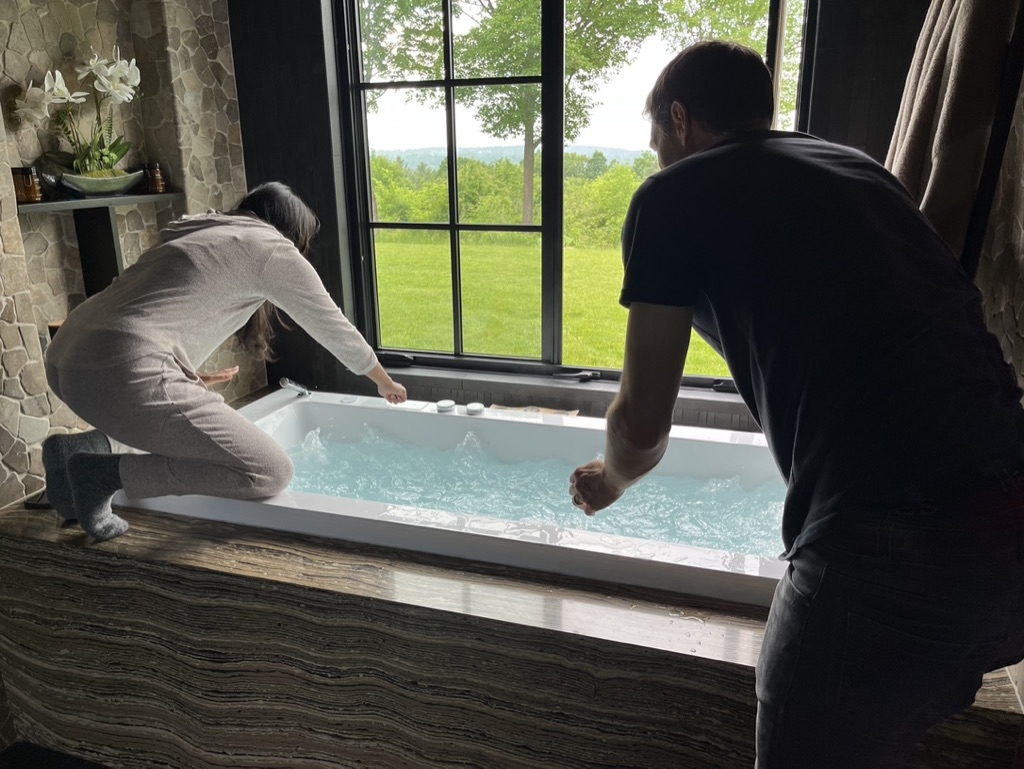
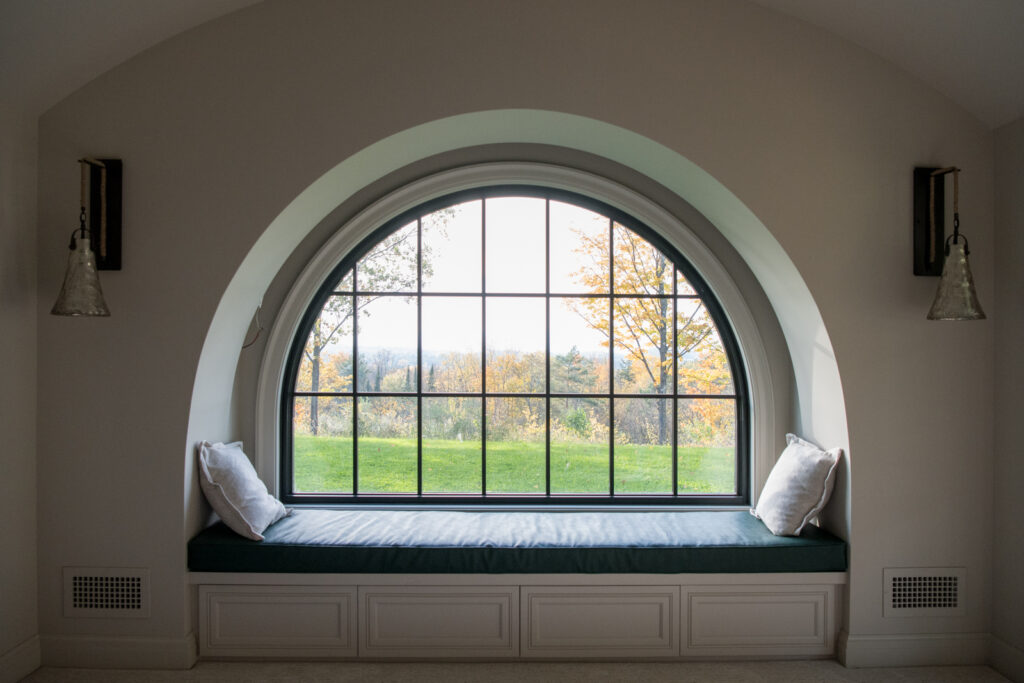
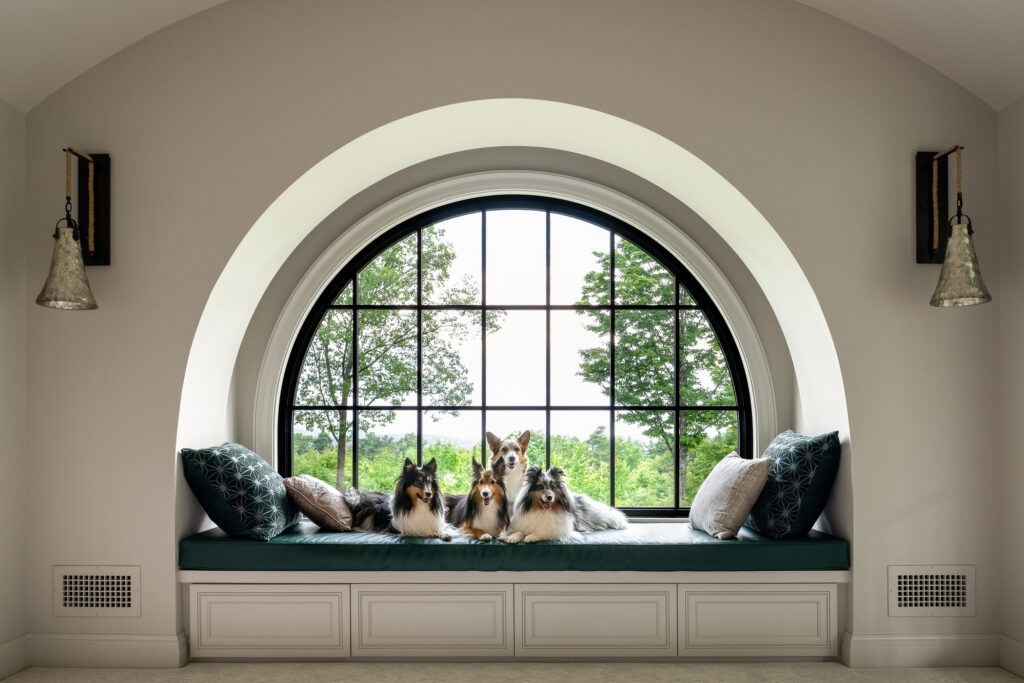
Just as important as light is color and scale. Intentional styling in architectural photography provides small snapshots of lifestyle. Tight shots of intimate spaces tell a specific story, and the styling process translates this through the camera lens.
Styling involves:
- Adding accessories like books or flowers
- Removing objects like boxes
- Rearranging furniture
Bringing in well-chosen accessories that complement the existing objects conveys “lifestyle moments” that reflect the homeowner’s way of living. These small adjustments bridge the gap between construction details and a vibrant home.
When we scout a location, we plan to use items that are on-site as much as possible, so the scene we set looks as natural as possible, but we always plan to bring a few things as well. It can be surprising when what looks right to the naked eye appears off through the lens.
Silver Maple’s go-to styling props include:
- Flowers, plants, + greens
- Kitchen pieces (cutting boards, wooden bowls, a large pot for the stove)
- Decorative items (vases, bags, or baskets,
- Textiles (including jackets + scarves to hang in mudrooms + towels)
- Food elements (Haymaker buns tend to make an appearance)
Scheduling + Coordinating
Scheduling a photoshoot is a bit like scheduling construction; it requires coordination across multiple people and priorities. We get as much information as possible from our Silver Maple divisions and other contributors to the project.
We ask:
- What custom cabinetry did The Woodworks provide, and of that, is there anything they want to highlight?
- Does Silver Maple Mechanical need a professional photo of anything specific?
- What fell out of our scope that we might capture as part of another photo, but perhaps won’t highlight or zoom in on?
- Which images are important to the contributors to the project, like the architect, interior designer, or landscape architect?
We work with the homeowners, architects, designers, and photographer to find the right window. Because the weather plays such a big role in Vermont and our preferred photographer, Ryan Bent’s, calendar is in high demand, we hold two potential shoot dates and make a final call as conditions become clearer.
Photoshoot Day: Where Construction Knowledge Meets Composition
When we arrive on-site, the process looks creative, but it’s grounded in technical understanding. We’re not just asking, “Does this look good?” We’re asking, “Does this accurately represent the space?”
Light, just as important as the weather, is a large component of our planning. A well-designed home is oriented intentionally, whether for passive solar gain, views, or privacy, and our shoot schedule follows that logic. We plan the day around how sunlight interacts with the structure, moving from space to space, inside and out, as conditions change.
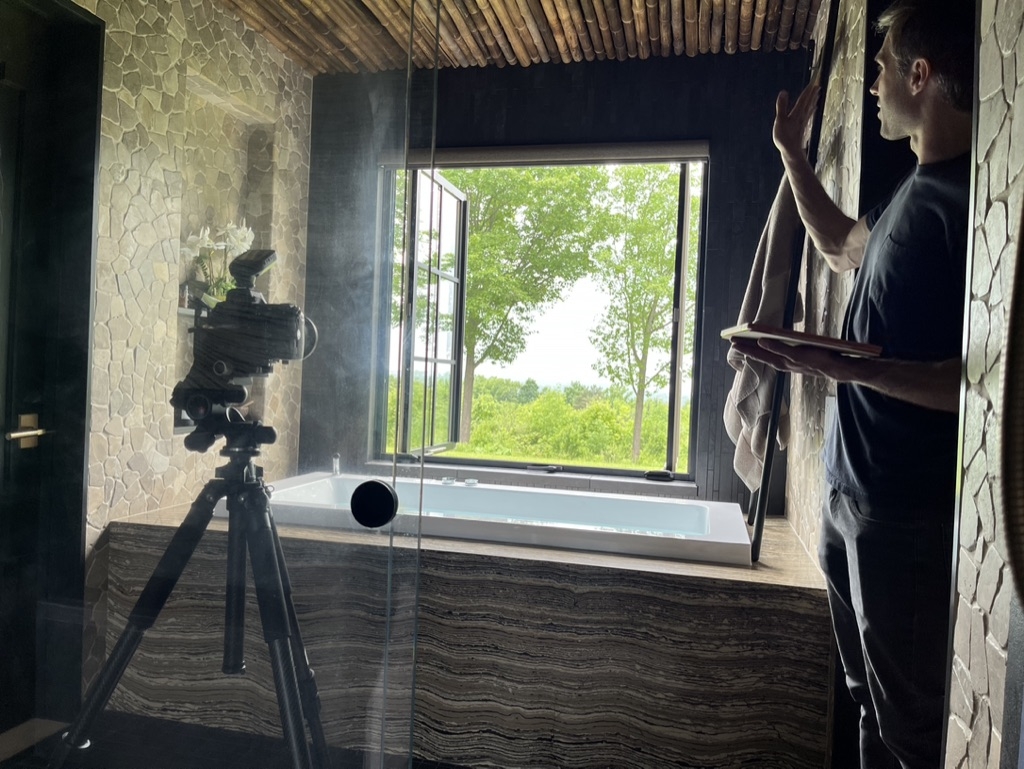
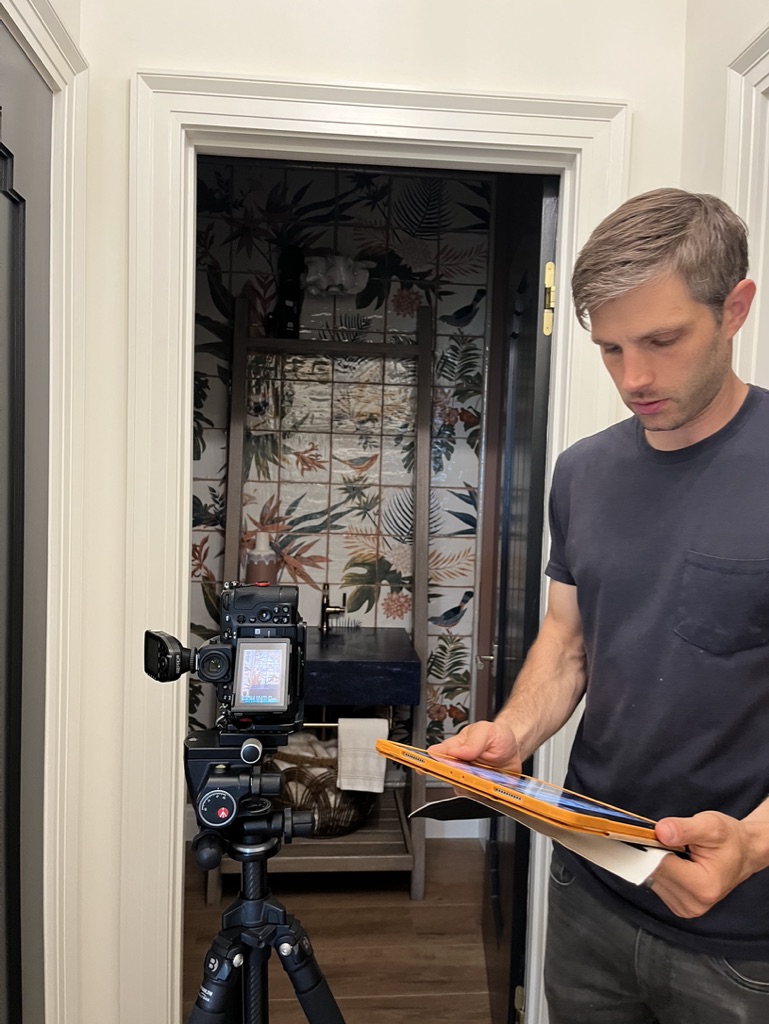
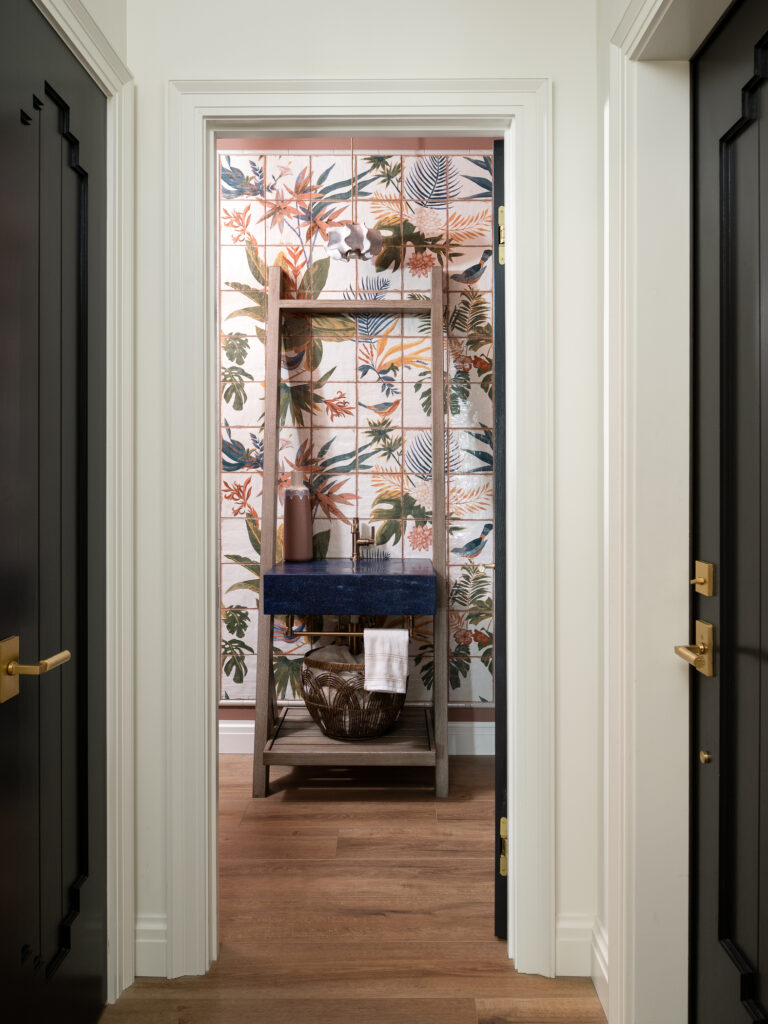
Once we decide where to begin, Ryan sets an initial composition and captures a few frames, which we review on a tablet. From there, we begin refining, not just for aesthetics, but for clarity.
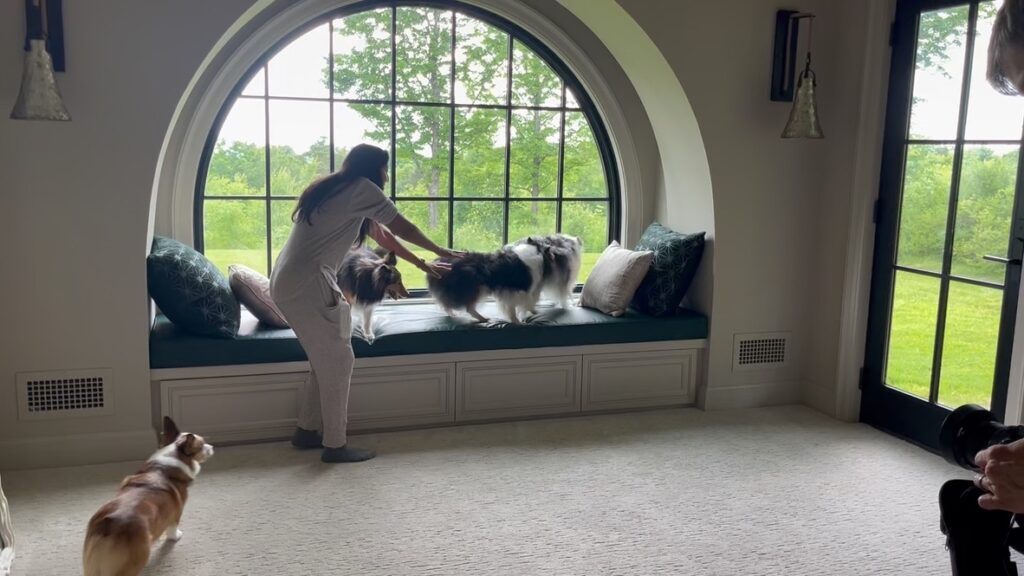
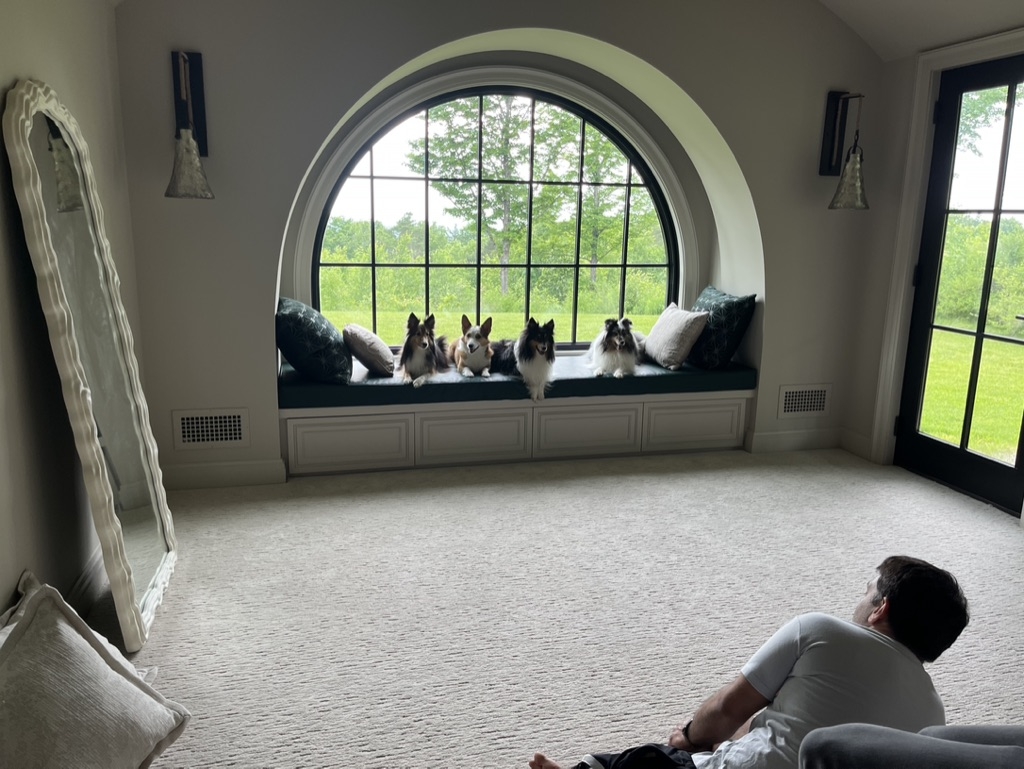
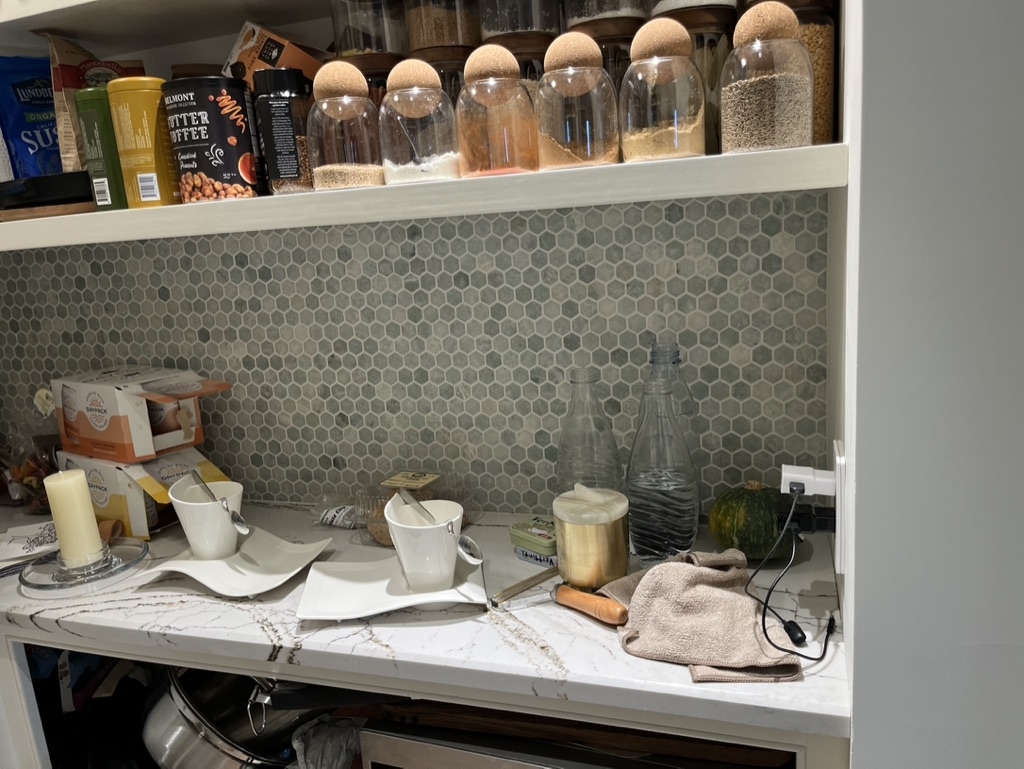
Before we touch anything, we take continuity photos so we can return everything exactly as we found it. Then we adjust furniture and objects to reflect scale and proportion and remove identifying personal items. All of this is not only for privacy but also to keep the focus on architectural elements such as millwork, sightlines, and material transitions. This is where construction knowledge becomes essential.
For example, certain details—like trim profiles, built-ins, or alignment—can appear distorted depending on our choice of lens and angle. We adjust to ensure those elements read correctly in the final image. A misrepresented line or proportion might go unnoticed, but it doesn’t accurately reflect the work.
We continue adjusting, capturing, and reviewing until the image feels both natural and precise.
How Materials + Light Produce a Photo
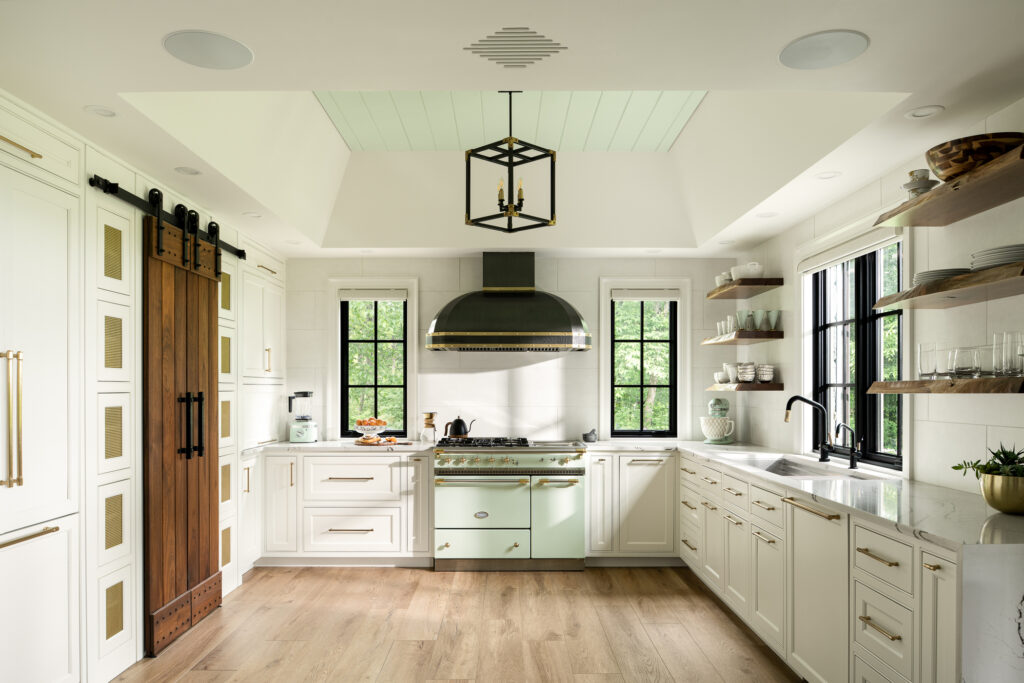
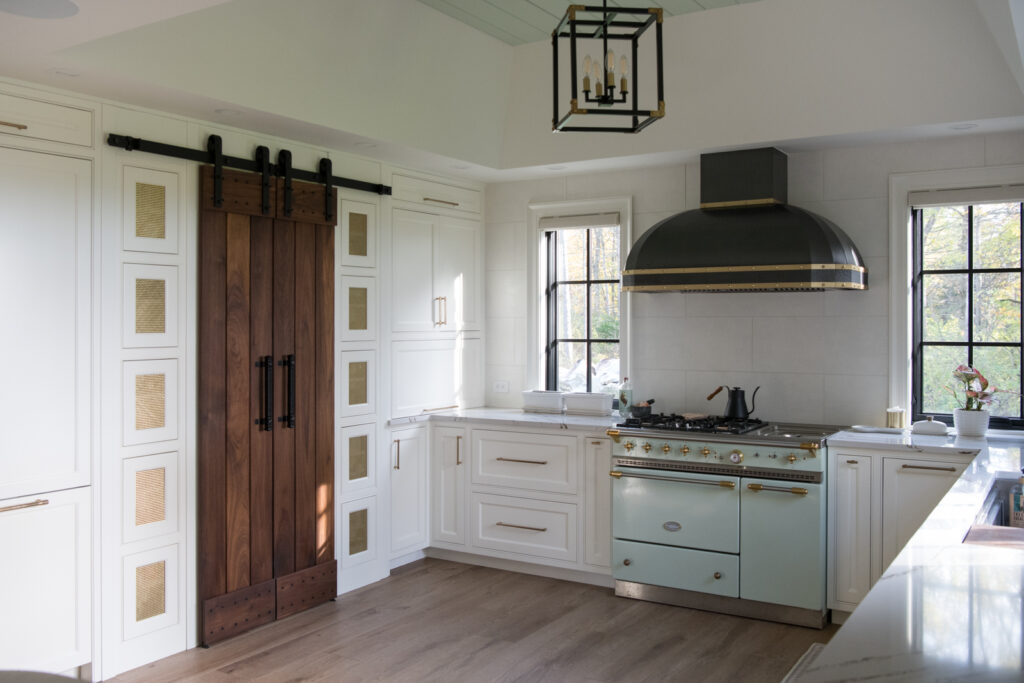
Each final image is built from multiple exposures.
Some frames capture the depth of natural light; others balance interior and exterior brightness. Additional frames help eliminate glare on windows or reflective surfaces, which is especially important in homes with high-performance glazing or large expanses of glass.
A well-built home manages light by design, and good photography reveals that without exaggerating it. Ryan combines these exposures in post-production, creating an image that reflects what the eye experiences in person, something a single frame can’t fully capture on its own.
Do you want to see a real-world example? Check out this project with natural light, designed for performance and captured flawlessly.
The “Hero Shot” and Why It Matters
Dusk is where the magic happens.
With the exterior light fading and interior lights illuminating, this is when our final image capture takes place. For a brief window, the home sits in perfect balance between the two, making a visually striking “hero shot.”
This image highlights an important aspect of residential construction: how a home interacts with its surroundings. In this image, you can see the structure, the materials, the glow from within, and the relationship to the landscape all at once. It’s a moment when design, construction details, and environment come together, and that’s why it often becomes the defining image of a project.
And sometimes we don’t capture that final glowing image… After all, the image capture happens in the real world, and timing or weather are out of our control!
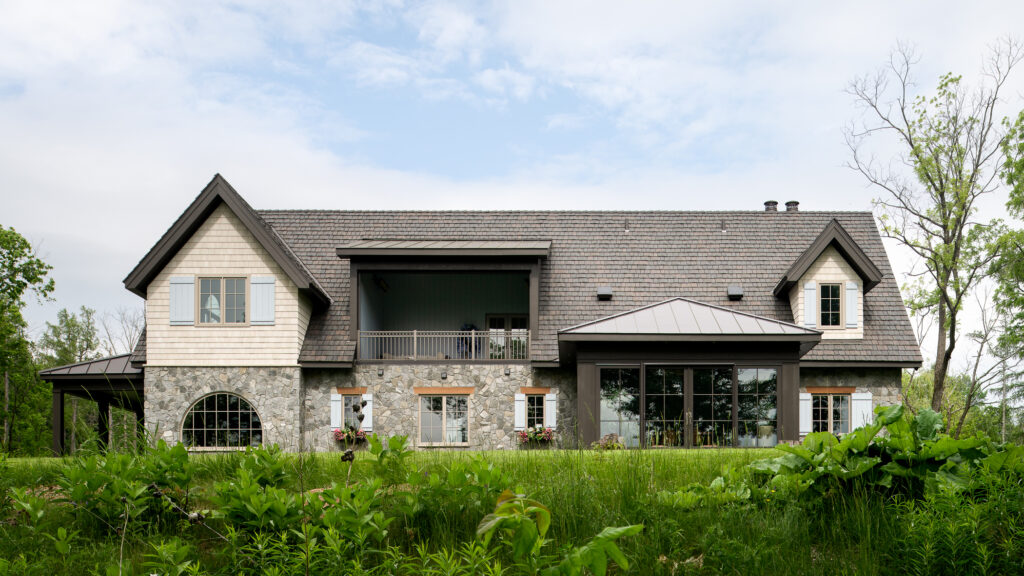
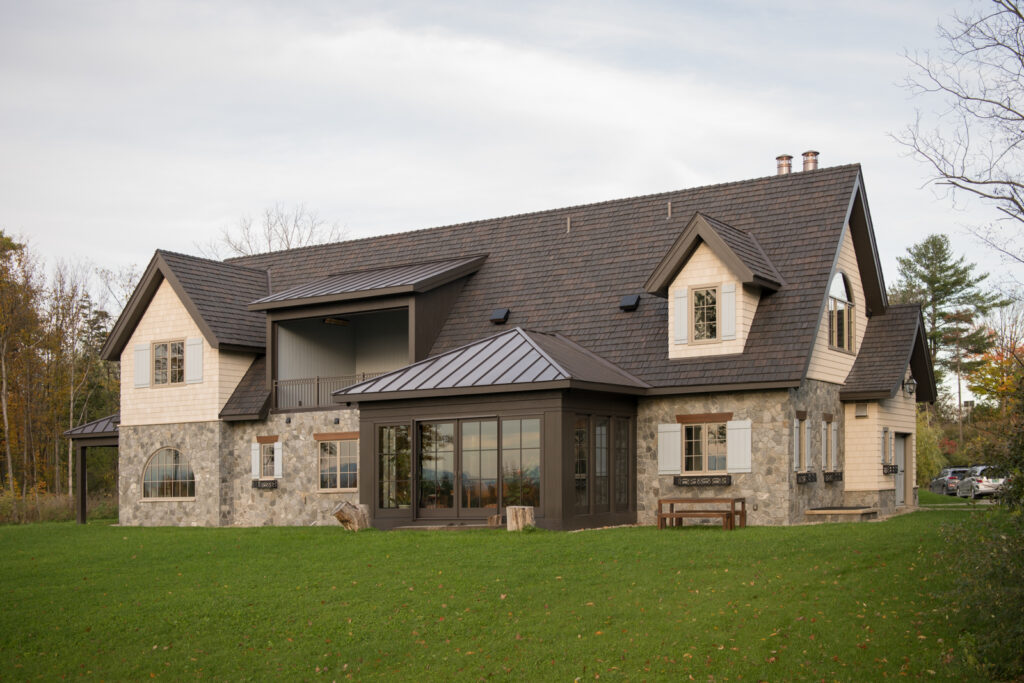
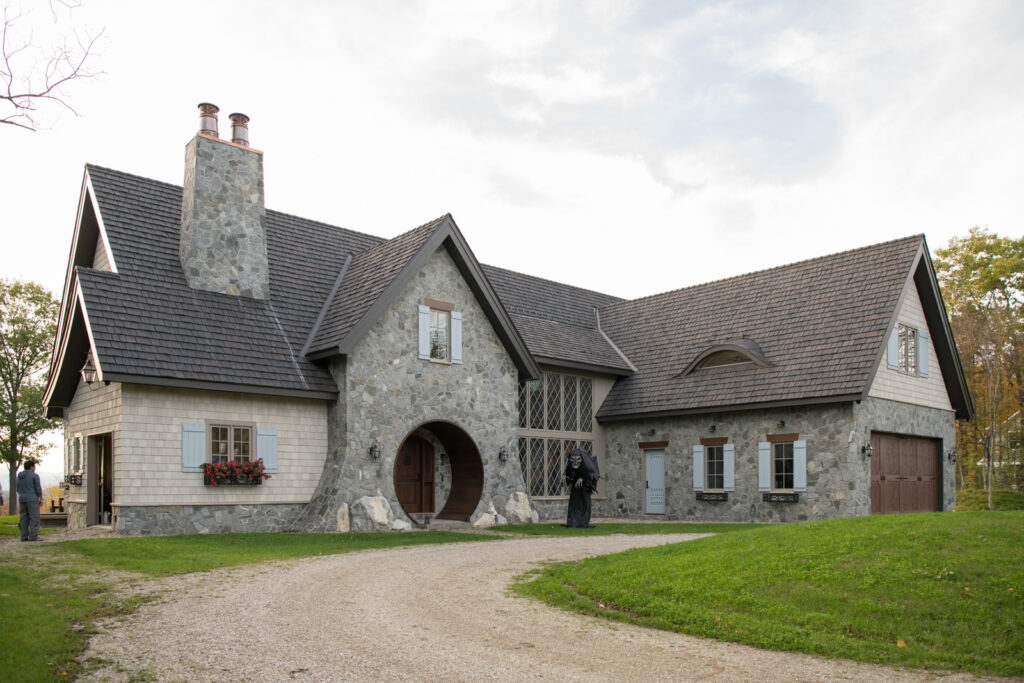
Take a look at some of our projects and see if you can spot the hero image!
Packing Up + Respecting the Home
At the end of the day, we return everything to its original place, referring to our continuity photos as a guide. That process is as intentional as everything else we do. We’re working in someone’s home, and respecting that space is a priority.
Once we leave, Ryan heads back to the studio to complete post-production. Removing distractions like switch plates, electrical outlets, cords, and other necessary elements of a functioning house is only part of the work. Blending exposures, refining color, and ensuring each image accurately represents the home is the detail-oriented magic that takes time, experience, and skill. His work on-site is as vital as the work he does after the fact. Talent as an editor can only take a poorly captured image so far, which is why so much time, effort, and technique also go into having the right ingredients to create the best final image.
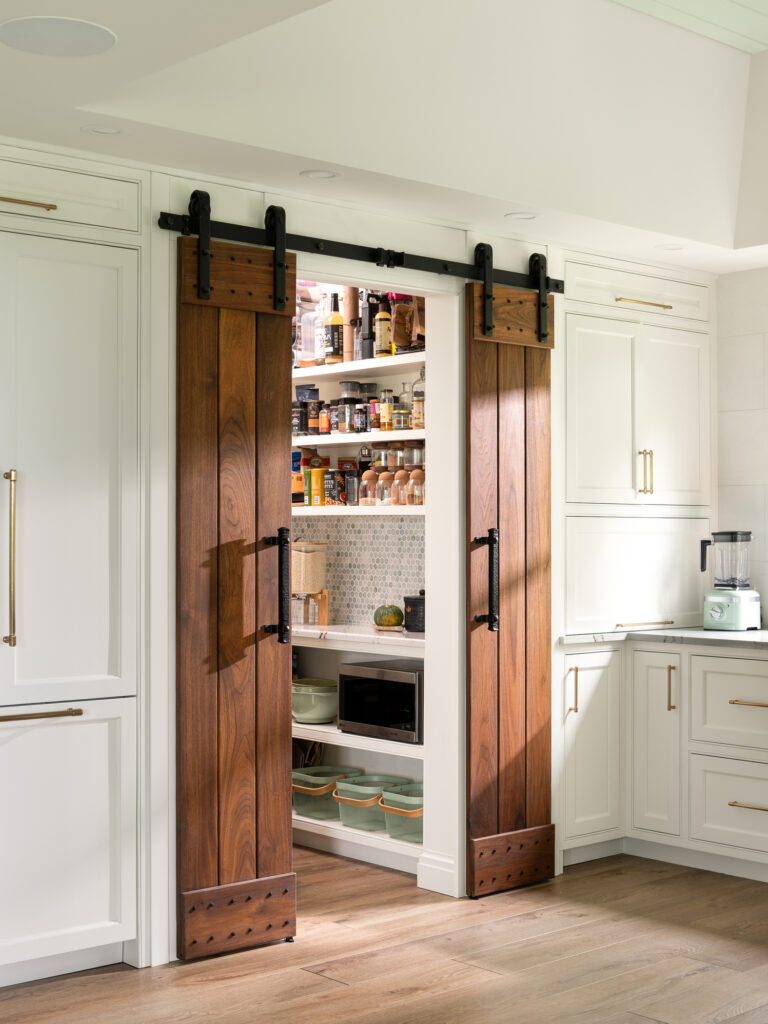
Once the edited images are delivered, the photos move into the next phase: becoming part of how we communicate our work.
How this Behind the Scenes Process Reflects How We Build
Ultimately, these images are about trust. The same attention to detail that goes into how a wall is assembled, how materials meet, or how a space is appointed with custom cabinetry carries through to how it’s documented. We build with care and craft; we use the same qualities when we capture final photography of a client’s home.
When you explore our work, whether through custom woodworking, new residential construction, or our Eco Prefab Homes, you’re seeing homes as they truly are: thoughtfully designed, carefully built, and intentionally captured.
And now, you know what it takes to show them that way.
Sign up for our monthly newsletter to see more behind-the-scenes projects as they unfold.